


Personal
Business
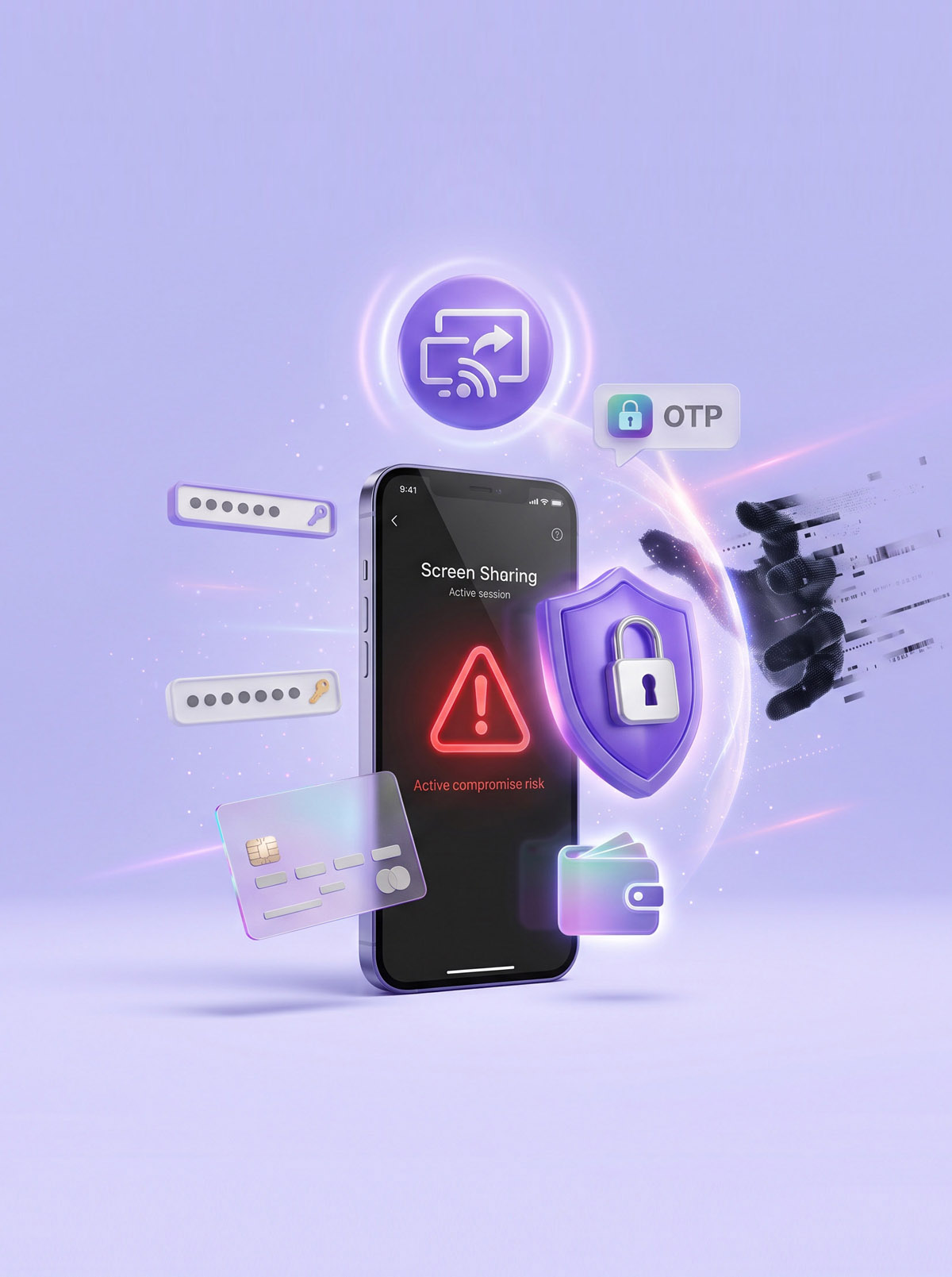
One screen-sharing request could put your personal information, banking details and money at risk.
Imagine receiving a call from someone claiming to represent your bank, a payment service or a customer support team. They offer to help you process a refund, fix an account issue or prevent a suspicious transaction. Everything sounds legitimate until they ask you to share your screen or install an application to access your device.
This could be a scam designed to steal your personal information or gain access to your financial accounts.
Fraudsters increasingly use screen-sharing and remote-access tactics to trick people into revealing sensitive information, approving unauthorised transactions or giving them control of their devices.
At Deem, we encourage customers to stay vigilant and protect their financial and personal information. Understanding how these scams work can help you recognise suspicious requests before they put your money at risk.
How Can Screen Sharing Put Your Money at Risk?
Screen sharing may seem harmless, but it can expose information you would never knowingly share with a stranger.
Once you share your screen, a fraudster may be able to:
Remember: Even if you do not share your password or OTP verbally, fraudsters may be able to see this information on your screen or manipulate you into approving a transaction yourself.
Common Tricks Fraudsters Use
Fraudsters often create situations that sound urgent or convincing to gain your trust.
You receive a call claiming that you are eligible for a refund. To receive the money, you are asked to share your screen, open your banking application or approve a transaction.
Watch out: Receiving a refund should not require you to make an outgoing payment or approve an unfamiliar transfer.
Someone claiming to represent your bank contacts you about suspicious activity on your account. They offer to help secure your money but insist that you download an application or grant remote access.
Watch out: Do not give an unexpected caller access to your device, even if they claim to be protecting your account from fraud.
A caller or pop-up warning claims that your device has a security problem. You are instructed to install software that will allow someone to fix it remotely.
Watch out: Fraudsters can misuse legitimate remote-access applications to view personal information or control your device.
Five Ways to Protect Your Financial and Personal Information
Do not share your screen or grant remote access in response to an unexpected call, message or support request. This is especially important when accessing banking applications, payment services or personal accounts.
Never share your passwords, PINs, card security codes (CVV/CVC) or OTPs with anyone. Be mindful that this information can also be exposed through screen sharing, notifications or remote access.
Avoid downloading screen-sharing or remote-access applications simply because someone claiming to be from a bank or support team asks you to do so. Even legitimate applications can be misused by fraudsters.
Always check payment notifications and authentication requests before approving them. If you receive a request to transfer money, add a beneficiary or authorise a payment you did not initiate, do not approve it.
Fraudsters can impersonate financial institutions using familiar names, logos and even convincing caller IDs.
If you receive a suspicious request, end the conversation and contact the organisation directly using its official website, application or verified customer service number.
Important: Deem will never ask you to disclose your password, PIN, CVC or OTP over the phone or by email.
What Should You Do If You Have Already Shared Your Screen?
If you suspect that you have shared information with a fraudster or allowed someone to access your device, act immediately, even if you have not noticed any unauthorised transactions.
If the incident involves your Deem account or someone impersonating Deem, contact Deem Customer Care on 600 525550 immediately or report the suspicious activity to fraudalert@deem.io.
Never include passwords, PINs or OTPs in your report.
Stay Alert. Stay in Control. Protect Your Money.
Fraudsters rely on trust, urgency and convincing explanations to persuade people to share sensitive information or grant access to their devices.
A caller may know your name, sound professional or claim to represent a trusted financial institution. None of these details guarantees that the request is genuine.
Before you share your screen, install an application or approve a transaction, ask yourself:
When in doubt, end the call and verify independently.
Protecting your finances starts with protecting your personal information. Never let an unexpected caller pressure you into giving access to your device or financial accounts.
Your screen. Your information. Your money. Keep them protected.
Frequently Asked Questions
Can someone steal my information through screen sharing?
Yes. Someone viewing your screen may be able to see account details, personal information, passwords or OTPs displayed on your device. Remote-access software may also allow them to control your device, depending on the permissions granted.
Can fraudsters access my money without knowing my password?
They may be able to trick you into approving an unauthorised payment or capture sensitive information visible during screen sharing. This is why you should never approve a financial transaction you did not initiate.
Is it safe to download a screen-sharing application from an official app store?
An application being legitimate does not mean the person asking you to use it is trustworthy. Fraudsters can misuse genuine applications to access devices and sensitive information.
What if someone claims to be calling from Deem?
If someone claiming to represent Deem asks you to share your screen, provide confidential information or grant access to your device, do not proceed. End the conversation and contact Deem Customer Care directly on 600 525550 to verify the request.
Should I report the incident even if no money has been taken?
Yes. If you believe your personal or financial information has been compromised, report the incident immediately. Early action can help secure your accounts and reduce the risk of further misuse.


© All rights reserved 2026 Deem Finance LLC. Deem Finance LLC (Deem) is regulated by Central Bank of the UAE.