


Personal
Business
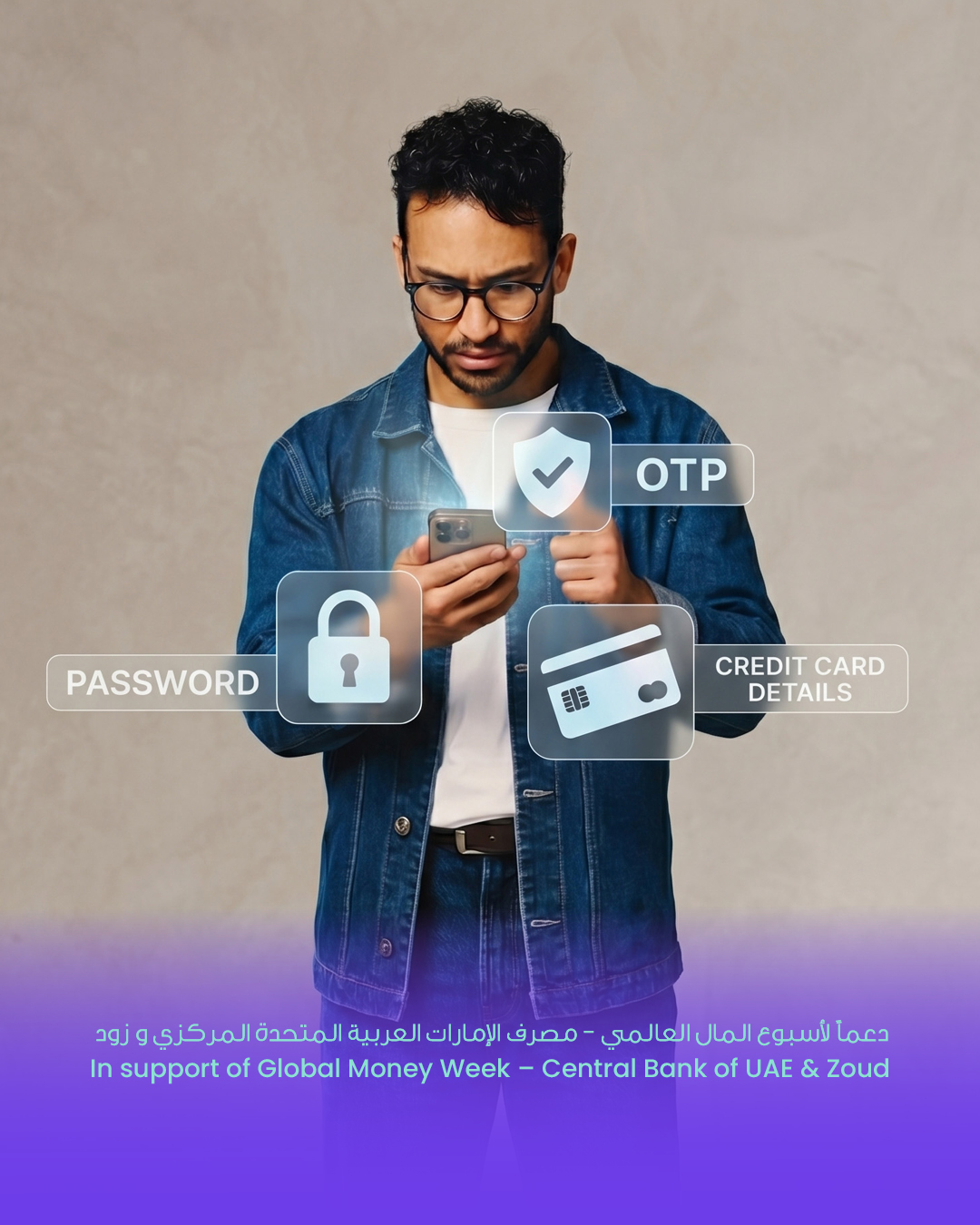
Most financial fraud today doesn’t happen because systems are weak — it happens because people are tricked into giving access.
Scammers don’t always “break in.” Instead, they convince you to open the door yourself.
That’s why understanding behavior patterns behind fraud is more important than memorizing rules.
OTP Scams: Why They Work, Not Just What They Are
If someone asks for your OTP, it’s not a technical request — it’s a psychological trap.
Scammers create urgency so you don’t pause to think. They may say:
OTPs are only triggered when you initiate an action. If you didn’t request anything, there is nothing to verify.
The scam works only when urgency overrides logic.
No Legitimate Institution Needs Your Secrets
Banks and financial institutions are designed around one principle: they already have your data secured.
That’s why they will never ask you for:
OTPs
Passwords
CVV or full card details
If someone does, the question is not “why are they asking?” but “why should I trust this request?”
How Fraud Messages Are Designed to Manipulate You
Modern scams are less about technology and more about behaviour triggers:
“Immediate action required”
→ Designed to stop rational thinking
“Account will be blocked”
→ Pushes emotional decision-making
“You’ve won / cashback waiting”
→ Encourages impulsive response
These emotional triggers are intentional. Recognizing them is your strongest defence.
The 10-Second Rule That Can Save You
Before responding to any financial request, pause for just 10 seconds and ask:
Most fraud attempts fail when there is even a short pause between message and action.
Awareness Is the Real Security Layer
Security systems protect your account, but awareness protects your behaviour.
Once you understand how scams operate, the chances of falling for them reduce significantly.
Protecting yourself isn’t about being paranoid — it’s about being informed.
Frequently Asked Questions (FAQs)
They don’t “steal” it — they convince users to share it voluntarily by creating urgency or fake scenarios.
In most secure banking systems, OTP is required for transactions. However, scammers may try other methods like phishing links or fake apps to capture your login details.
Do not act immediately. Verify the request directly through official banking channels before taking any step.
Not always. Many are designed to look official. That’s why it’s important to focus on behavior — urgency, pressure, and emotional triggers are major red flags.
Avoid entering any details. Close it immediately and contact your bank through official support channels for guidance.
Because most fraud today targets human behavior, not systems. Even the best security can’t protect against voluntary sharing of sensitive information.


© All rights reserved 2026 Deem Finance LLC. Deem Finance LLC (Deem) is regulated by Central Bank of the UAE.